
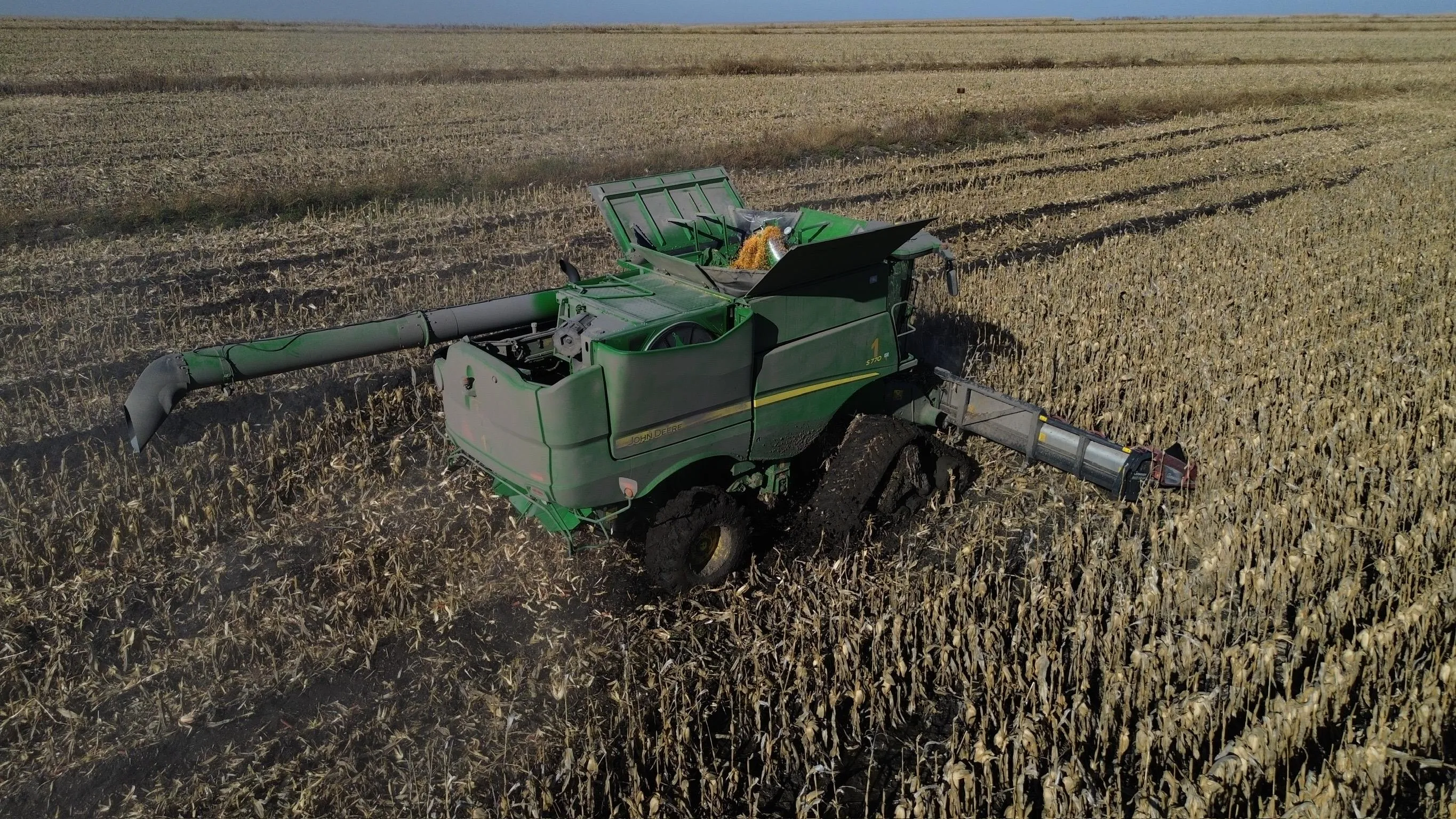
From planting to harvest, without guessing what the crop needs next.
Most analysis happens once, at the start of a season. DRIS reads the crop at every critical stage, so adjustments happen when they can still make a difference.
The problem with a single test
A season isn't a snapshot.
Most analysis happens once, at the start of a season. You get a soil result, build a programme, and then run it, regardless of what the crop is telling you in the weeks that follow. By the time a problem shows up in the field, you've already lost yield you can't recover.
DRIS monitoring changes the timeline. We read the crop at every critical stage, so adjustments happen when they can still make a difference, not after the fact.
The monitoring sequence
Three reads. One continuous picture.
Soil before planting, leaf and sap through the season, fruit at the end. Each stage measures against the last, so the programme keeps pace with the crop.
Set the baseline before a seed goes in.
Before planting, DRIS reads the chemical and physical balance of the soil: every element against every other, plus the compaction and aeration factors that determine whether your nutrition programme can actually reach the root. This is the baseline everything else is measured against.
OutputsSoil remediation prescription and planting mix recommendation.
Track what's moving, correction after correction.
At each monitoring interval, typically every 2 to 6 weeks depending on the crop, timed to your next application window, a combined tissue and sap sample tells you what the plant has stored and what's moving through it right now. That combination shows whether the last correction landed, what's limiting the next stage, and what to adjust before the next fertigation or foliar event.
Sampling is timed deliberately: sample before the application, not after, so the result informs what goes on, not what went on.
OutputsFertiliser recommendation and adjustments per stage.
Close the loop, and set next season's baseline.
The fruit is the final measure of what the soil delivered, what the plant converted, and what the season's programme actually achieved. DRIS reads the fruit to close the loop: validating what worked, quantifying what didn't, and building the reference point for next season.
OutputSeason review and next-season baseline.
Why repetition matters
A single test is a photograph. Monitoring is a moving picture.
A crop's nutritional demands shift through every growth stage. What was in balance at establishment may be limiting at flowering, and critical by fruit fill. A programme that isn't tracking those shifts is running on assumptions.
DRIS replaces assumptions with data at every stage the crop needs it.
The same nutrient, tracked across three stages. Balance at one is no guarantee at the next.
Measure, monitor, manage.
We help you measure, monitor, and manage nutrition from planting to harvest. Start with the reports you already have, free.