
Greener Pastures: The Rise of Sustainable Cattle Feed
South Africa’s cattle feed industry is one of the most advanced in Africa. Behind the grain-fed feedlots, though, sits a growing sustainability challenge.
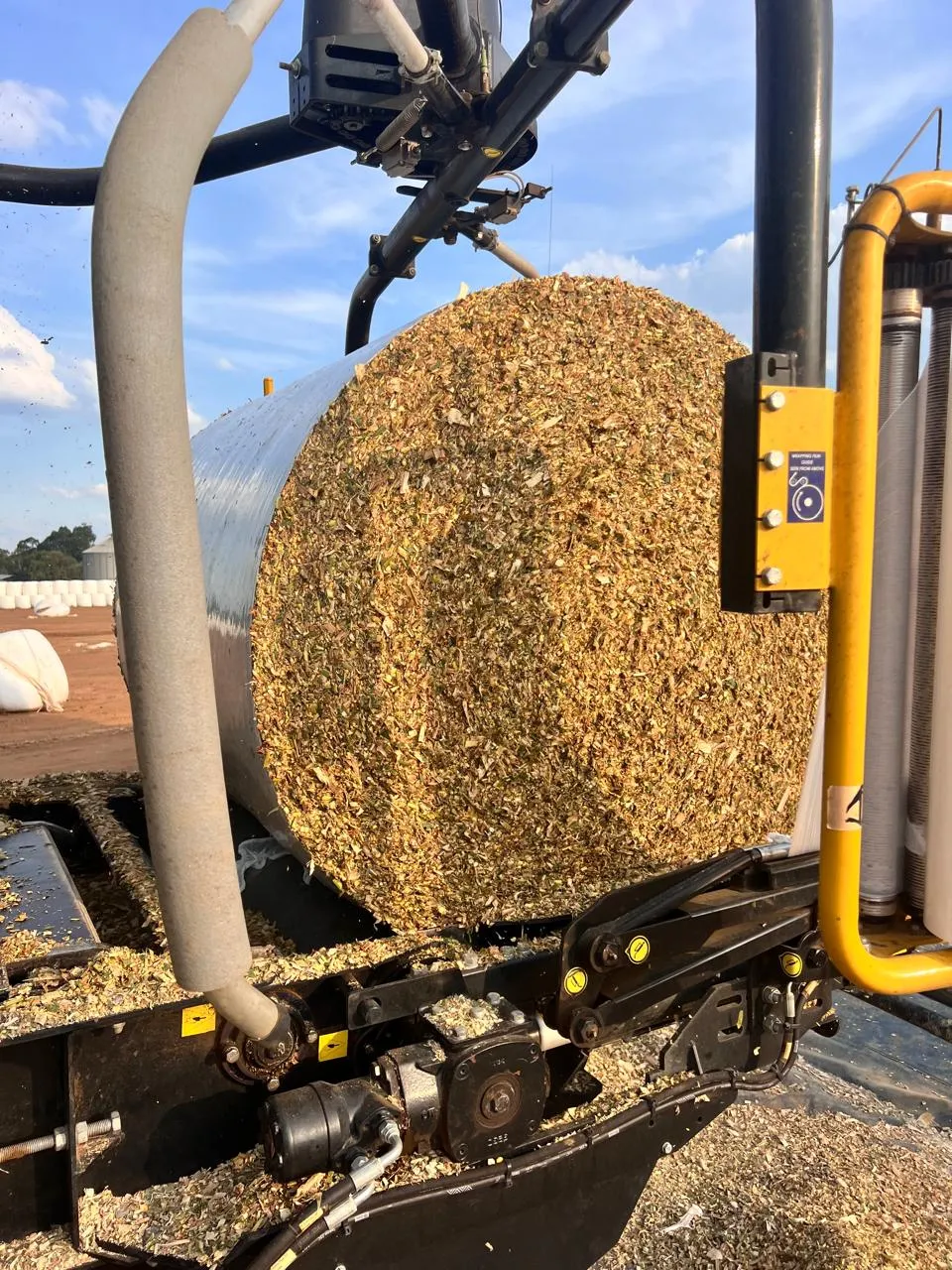
South Africa’s cattle feed industry is one of the most advanced in Africa, driving growth across the beef and dairy sectors. But behind the success of grain-intensive feedlots lies a growing challenge: sustainability.
01The feedlot dependency
Around 75% of SA beef comes from grain-heavy feedlots, and the hidden cost is soil.Read moreShow less
Around 75% of South Africa’s beef comes from feedlots, systems that lean heavily on maize- and soy-based rations for rapid weight gain. Efficient as they are, they depend on monocultures that degrade soil health, raise input costs, and leave farmers exposed to drought and climate volatility.
02Regenerative feed systems
How forward-thinking farmers balance productivity with long-term soil health.Read moreShow less
- Grazing & rangeland management. Rotational grazing and soil-focused practices restore fertility, lift forage yields and improve water retention.
- Locally sourced, diverse forages. Legumes, cover crops and agroforestry cut reliance on imported grain and fertiliser.
- Circular systems. Reusing manure and crop residues creates closed loops that are efficient and self-sustaining.
- Better animal welfare. Pasture-raised cattle have more freedom, less stress and need fewer antibiotics.
03Demand, and its real challenges
Eco-friendly beef is gaining traction, and pushing feed innovation.Read moreShow less
As consumer awareness grows, eco-friendly beef production is gaining traction. These systems emphasise:
- No hormones, antibiotics or synthetic chemicals
- Natural growth and free-range living
- On-farm feed production, a challenge, but also an opportunity for innovation
Farmers are responding with solutions like hydroponic barley sprouting, producing nutrient-rich fodder even through droughts.
04The payoff
What sustainable feed systems return to the farm.Read moreShow less
By investing in sustainable, eco-friendly feed systems, South Africa can:
- Ensure optimal nutrition in the cattle feed
- Reduce environmental impact
- Strengthen resilience against climate stress
- Improve animal welfare
- Unlock premium markets for grass-fed and eco-friendly beef
A greener future for South African cattle farming isn’t just possible, it’s already taking root.
Start a programme
Balance the feed, from the soil up.
Send us one existing lab report and we’ll show you the limiting nutrient, free.
Create a free account →