
Soil Health in South Africa: Smarter Farming with DRIS (Part 1)
No two fields are alike. With rising fertiliser costs and limited water, farmers can no longer afford guesswork. Soil health is the foundation everything else is built on.
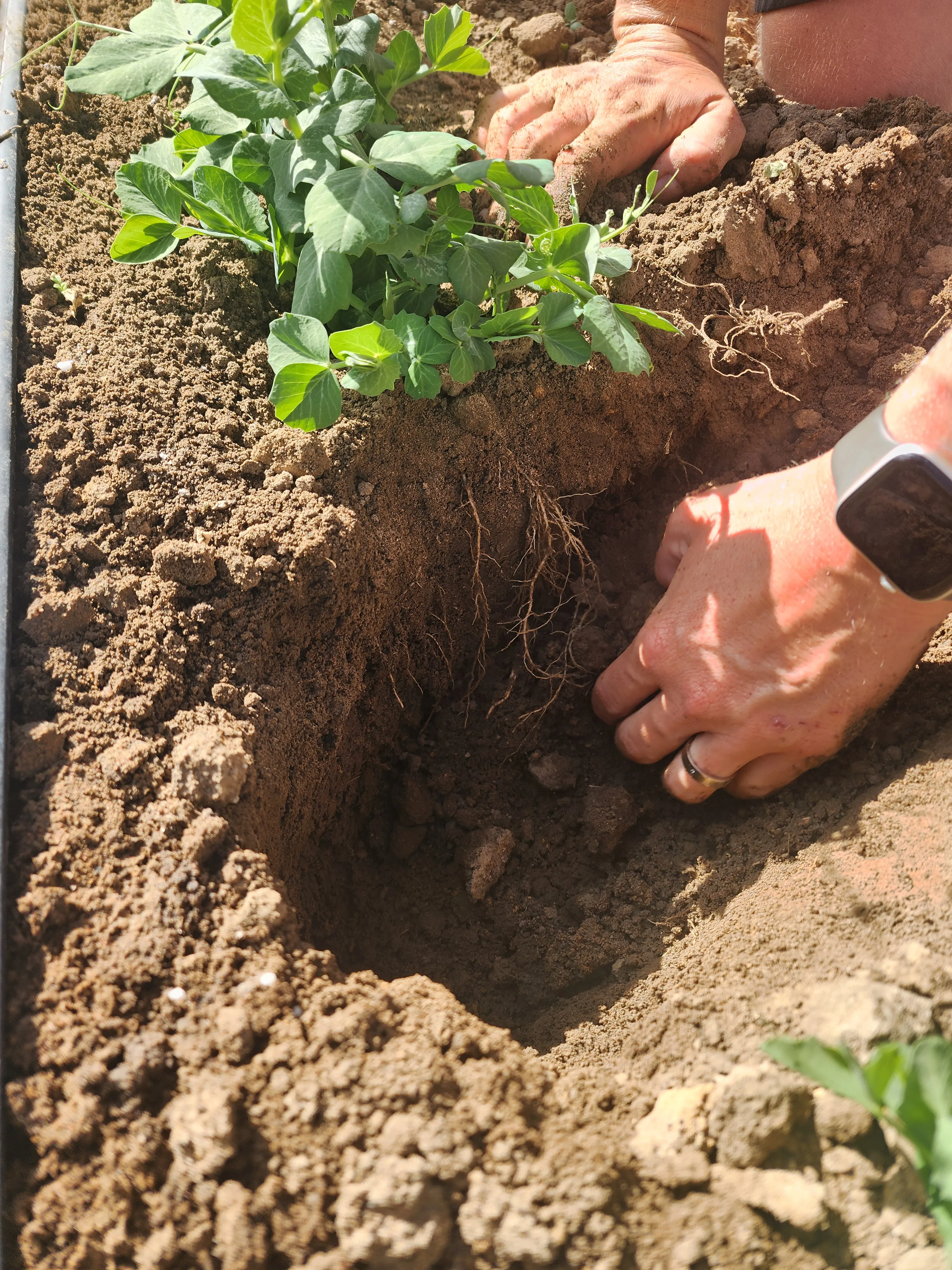
For South African farmers, no two fields are alike. A sandy plot in the Western Cape behaves very differently from clay-heavy soil in KwaZulu-Natal. Add in rising fertiliser costs and limited water, and it's clear: farmers can no longer afford guesswork.
That's why soil health is becoming one of the most important factors in modern agriculture. Just as you wouldn't build a house without checking the foundation, no crop should be planted without first knowing the condition of the soil beneath it.
Soil testing: the first step
Chemical and physical tests show exactly what the soil needs, no guesswork, no generic blends.Read moreShow less
Soil testing gives a detailed picture of fertility and structure, which nutrients are abundant, which are deficient, and whether pH lets plants access them.
- Chemical properties reveal nutrient balance and acidity/alkalinity.
- Physical properties highlight texture and organic matter, driving water retention, aeration and root development.
This removes the guesswork. Instead of generic fertiliser blends, farmers focus only on what their soil truly needs.
Beyond testing: the DRIS advantage
Soil + leaf + sap + nutrient ratios, read together, not just what's missing, but why.Read moreShow less
Soil testing is essential, but it's only part of the story. Plants need the right mix of biology, oxygen and energy. The DRIS system (Diagnosis and Recommendation Integrated System) goes further by combining:
- Soil analysis
- Leaf and sap testing
- Nutrient ratio interpretation
This holistic method doesn't just reveal what's missing: it explains how nutrients, soil structure and plant biology interact, producing a tailored action plan for stronger, healthier crops.
From data to action
Sampling → lab analysis → interpretation → precise implementation.Read moreShow less
- Sampling: collecting soil, leaf and sap samples to capture the full picture.
- Laboratory analysis: measuring nutrient levels, pH and more with advanced tools.
- Interpretation: identifying imbalances and building a custom nutrient plan.
- Implementation: applying fertilisers and amendments with precision.
This evidence-based approach ensures farmers make smart, cost-effective decisions.
Preparing the ground for growth
Healthy soil cuts costs and lifts yield, but timing is the next lever.Read moreShow less
Healthy soil is the bedrock of sustainable farming. By adopting science-based methods such as DRIS, farmers protect their land, cut costs and improve yields season after season, an investment in long-term resilience and confidence in every decision.
But soil testing is only the first step. The true power of DRIS lies in combining soil health with timing nutrient applications throughout the crop cycle. In Part 2, we look at how applying nutrients at the right growth stage separates an average harvest from a truly profitable one.
Start a programme
Know the ground before you plant.
Send us one existing lab report and we'll show you the limiting nutrient, free.
Create a free account →