The DRIS Methodology

Plant Health starts with Soil Health

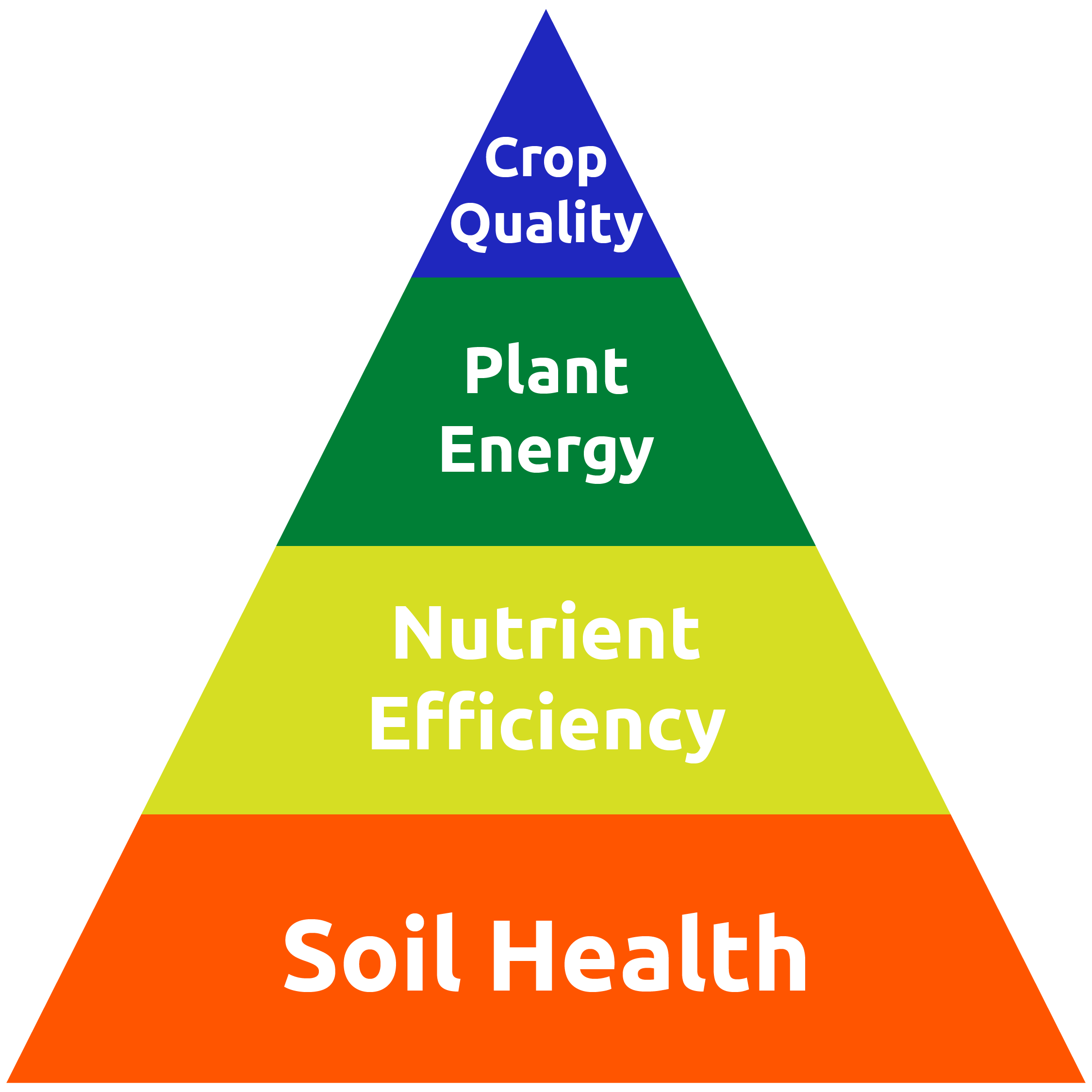
Our work supports improved harvest outcomes by identifying factors that influence taste, shelf life, nutritional value, and overall yield quality.

We consider the plant’s internal ability to produce and use energy—supporting growth, development, and resilience through efficient biological processes.

We explore how effectively plants access and use nutrients over time, helping identify limitations and opportunities in nutrient uptake and internal transport.

We assess the foundational balance of the soil to support optimal root growth, nutrient movement, and biological activity—creating the right conditions for healthy, resilient crops.

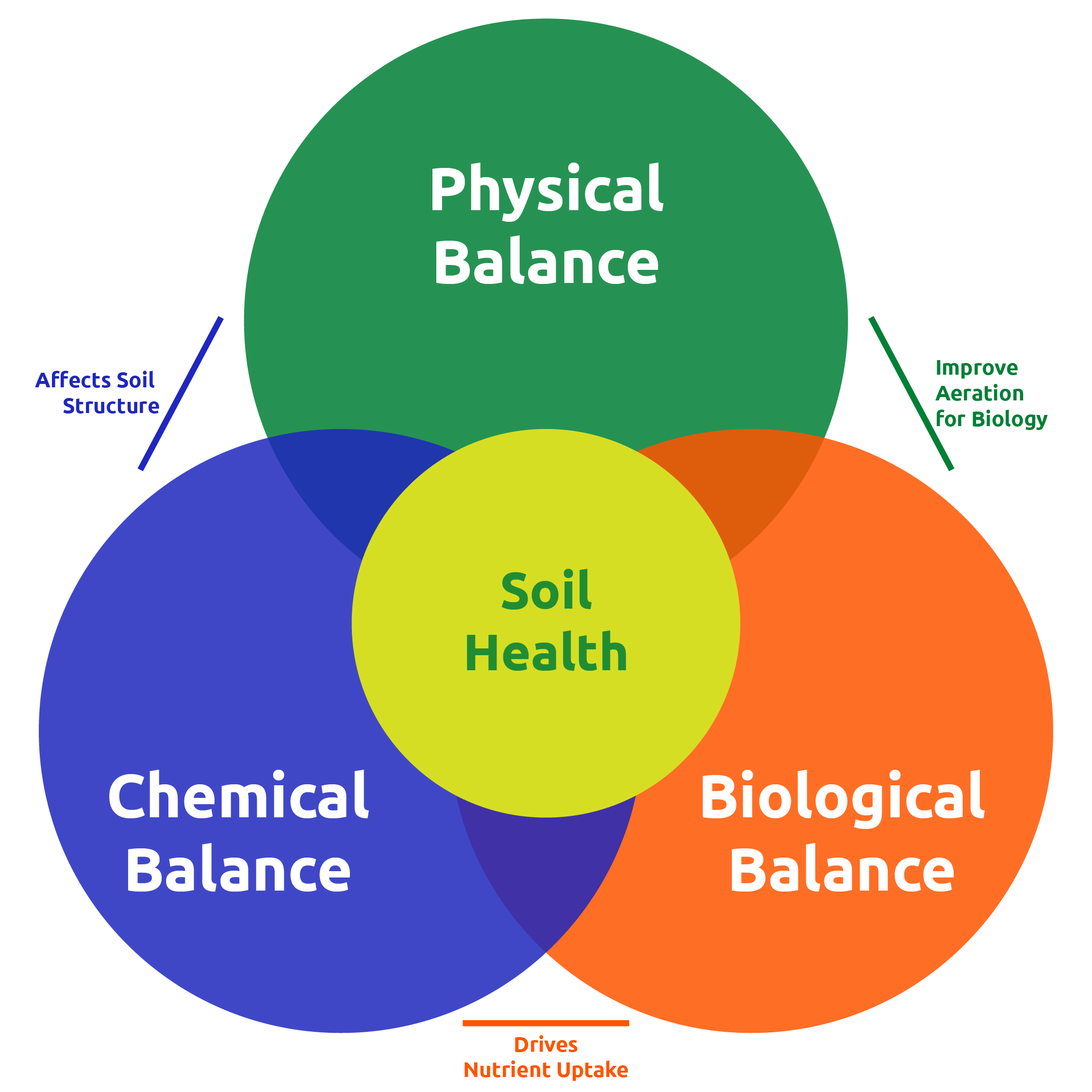
The Three Balances of Soil Health

Healthy soil structure supports strong root growth, airflow, and water movement. By identifying risks related to compaction and poor aeration, we help create the conditions plants need to thrive from the ground up.

Microbial life plays a vital role in soil function. We focus on restoring the conditions that support biological activity, enabling natural processes like nutrient cycling and pH regulation to function at their best.

Nutrient levels alone don’t tell the full story. We assess how nutrients interact within the soil system—highlighting imbalances that limit availability and guiding more efficient nutrient use.

Soil health isn’t a single measure—it’s the result of balance between physical, chemical, and biological systems. Our approach provides insights into each of these areas, helping farmers take strategic, sustainable steps toward high-performing soil.
Soil chemistry influences soil structure

Soil structure influences soil biology

Soil biology influences soil chemistry

Book a consultation.