
Stop guessing.
Start growing.
DRIS reads the balance between nutrients in your leaf, soil and sap analysis, not just the numbers, so you correct the one thing actually limiting your yield.
DRIS is the agronomy engine that turns your soil and leaf lab analysis into practical decisions for better quality and yield.
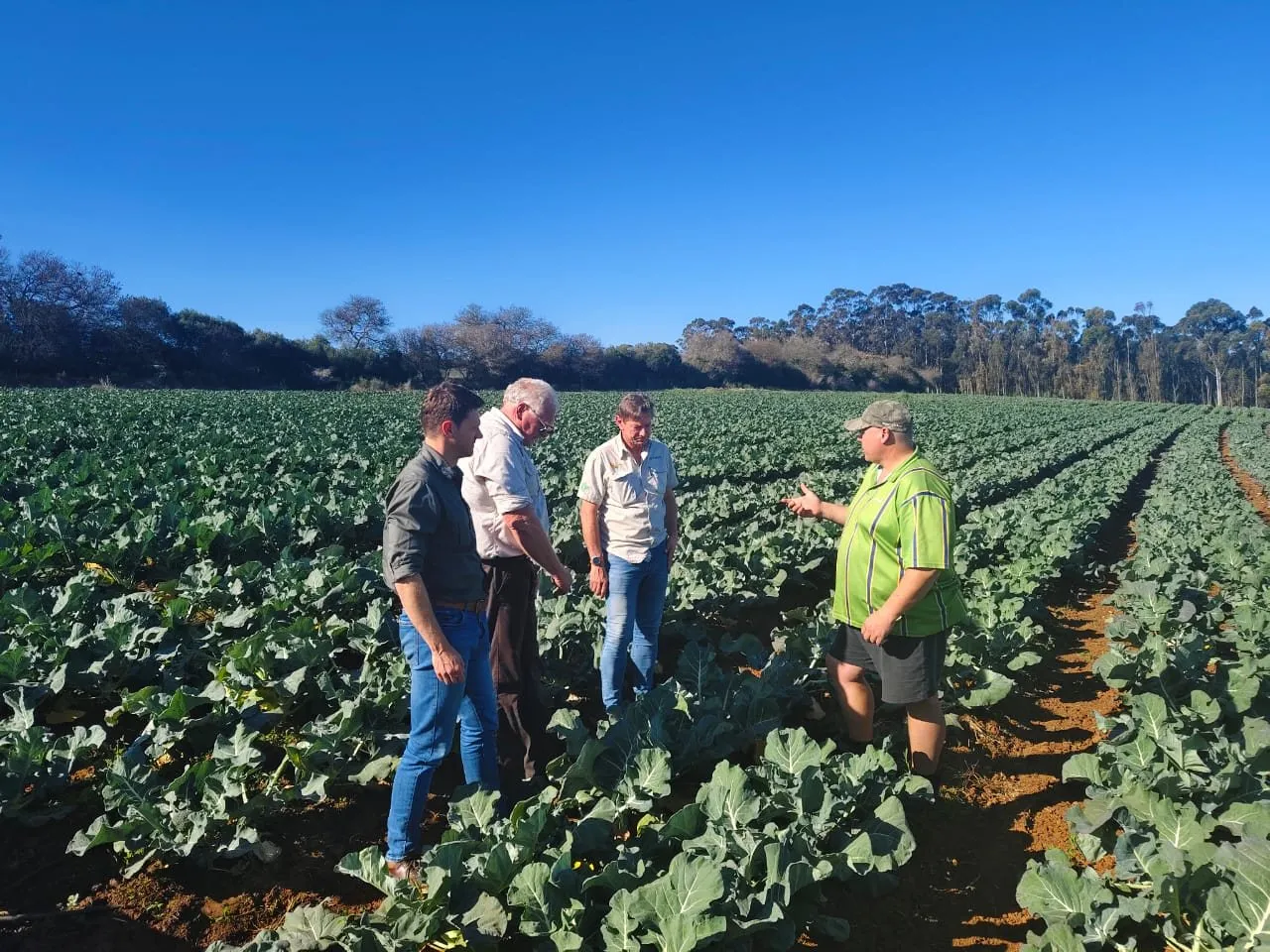
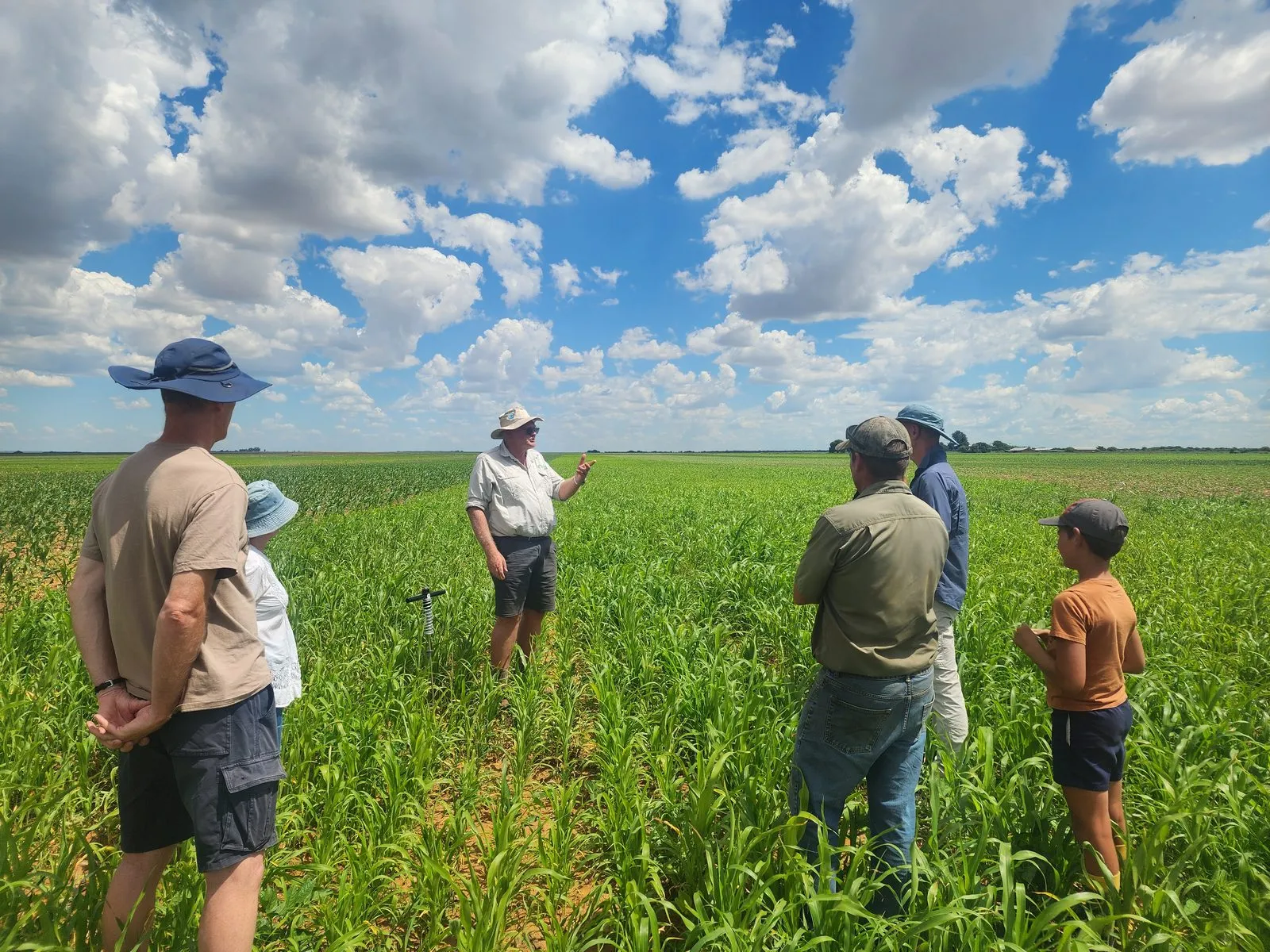
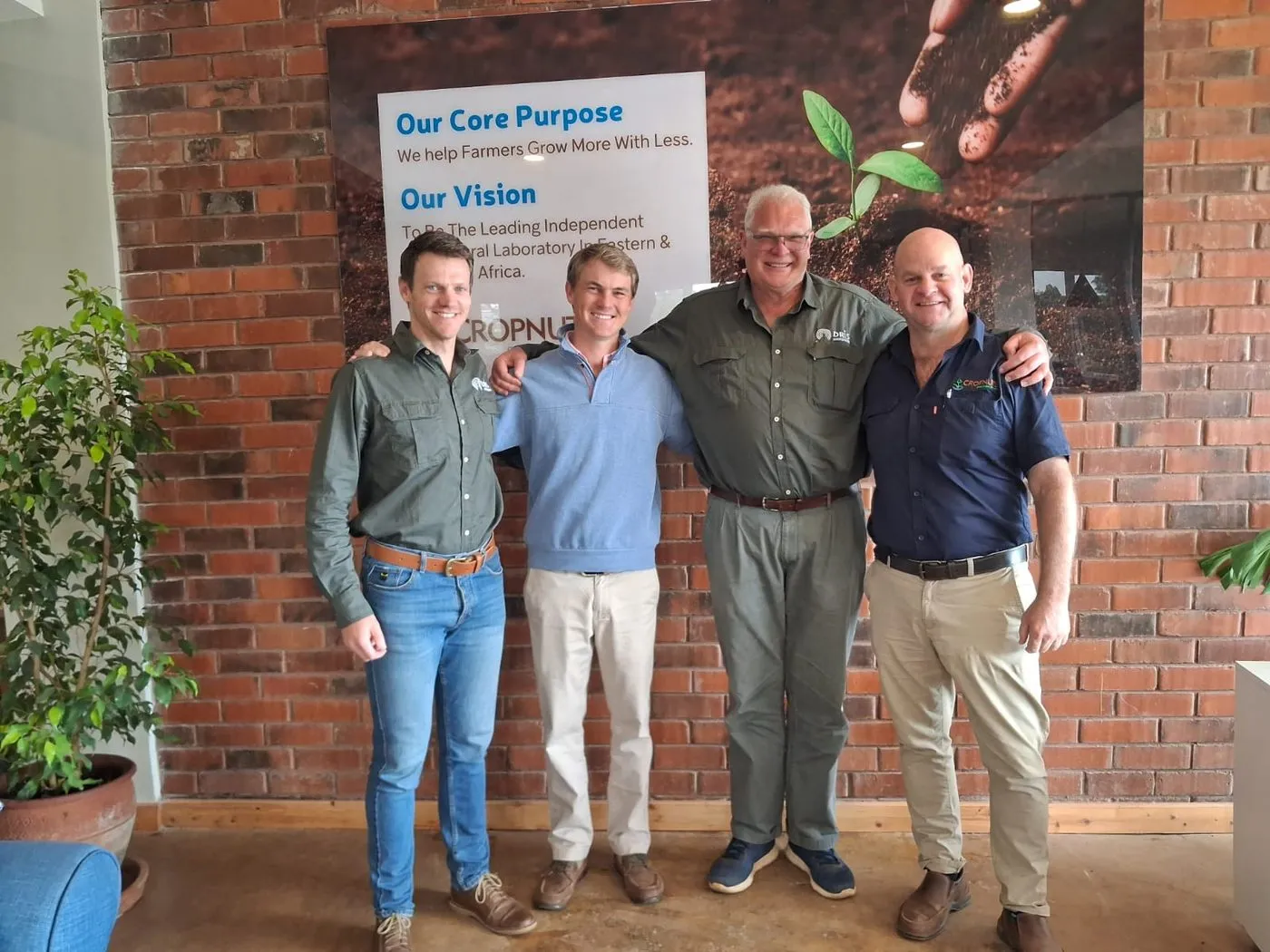
DRIS has fundamentally changed how we work with plant nutrition at Cropnuts. Rather than nutrient levels in isolation, it reveals the true physiological status of the crop, so growers apply inputs with far greater precision: cutting waste, lifting yield, and reducing pest and disease pressure at the source.
To improve soil health is a fine balancing act. The DRIS soil and leaf results revealed what we'd been missing (compaction, nutrient stratification, acidity, imbalances) and gave us a solid scientific platform to build the regeneration journey on.
I started with DRIS in 2003 on sugarcane in Pongola: higher yields, lower input costs, longer ratoon ages. Twenty-two years on, it's still the only system that reads the balance between nutrients properly and turns it into a plan a farmer can act on.
Any intervention is only verified by the crop's response: yield and quality. DRIS closes the loop between soil testing and crop response, with real cost-saving potential. It's overlooked in most soil health programmes, and it shouldn't be.
DRIS keeps my business ahead of our clients' needs while simplifying the data for the farmer. Sap norms are notoriously hard to establish, but DRIS reads sap through the balance between elements, not against a fixed norm. That filled the gap with confidence.
Sap analysis gave us the 'what'. The DRIS team gave us the 'how'. Their targeted recommendations helped us fix imbalances quickly, reduce nutrient waste, and improve yield and quality.
DRIS uses the Mulder's Chart to evaluate nutrient interactions against each other, not just levels or norms.
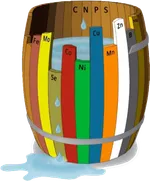
DRIS brings Liebig's Law of the Minimum into practice by identifying limiting and suppressing factors that restrict growth.
DRIS can calculate per kg per ha what recommendation is required to restore balance and production.
Nutrient plans are adjusted in real time using the DRIS Crop Monitoring Protocol. No more guesswork.
The same lab data. Two very different answers.
A standard leaf test scores every nutrient against a fixed range: pass or fail, each one in isolation. DRIS reads the elements against each other, then ranks what’s actually limiting the plant, in priority order. Same crop, a completely different answer.
Verdict: one snapshot. Numbers read in isolation against a fixed norm.
Batch 1QG0000MVW · Potatoes · Tissue + Sap
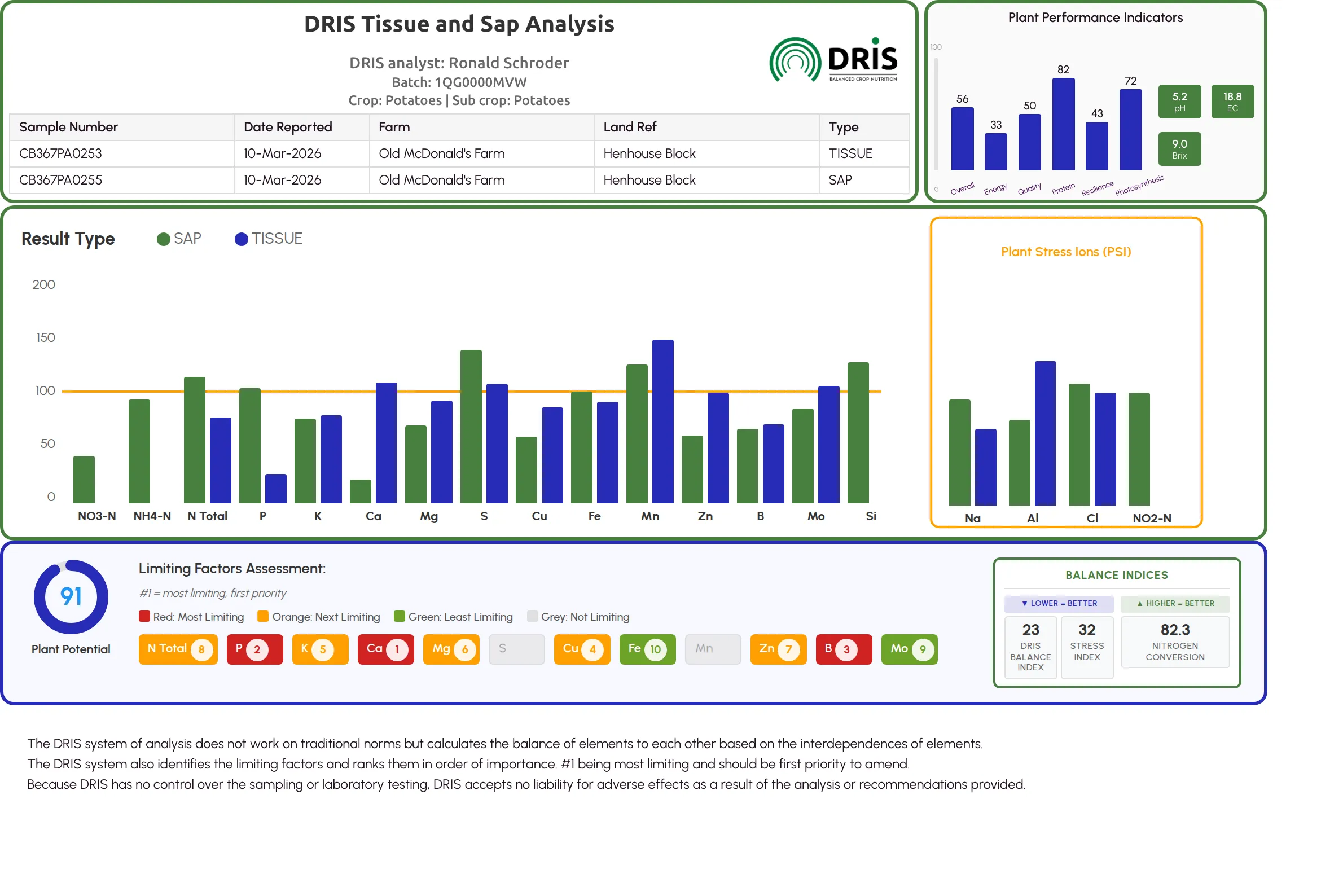
What does the standard leaf test miss? DRIS combines tissue and sap into one holistic view. We look at the tissue to understand what happened in the last three to four weeks, and we look at the sap to interpret what is currently moving in the plant.
Verdict: the conversation changes. No longer what is in the programme, but how the plant is reacting to it.
Providing solutions,
not selling products.
DRIS does not sell what it recommends.
DRIS calculates the kg-per-hectare of each element needed to get a reaction in the plant. From there it works out the application rate of different products, based on how the plant actually responds.
Labs you already trust
 Cropnuts
 Intertek
 Labserve
 NviroTek
 Senseen
Partners
 AFGRI
AFGRI BayAgro
 Potatoes SA
 ASSET Research
 Aspia Space
 OneSoil South AfricaCropnuts
 EcoSoil Africa
Stop guessing.
Start growing.
Upload your existing lab reports and we'll show you your crop's balance and the limiting nutrients, free.